
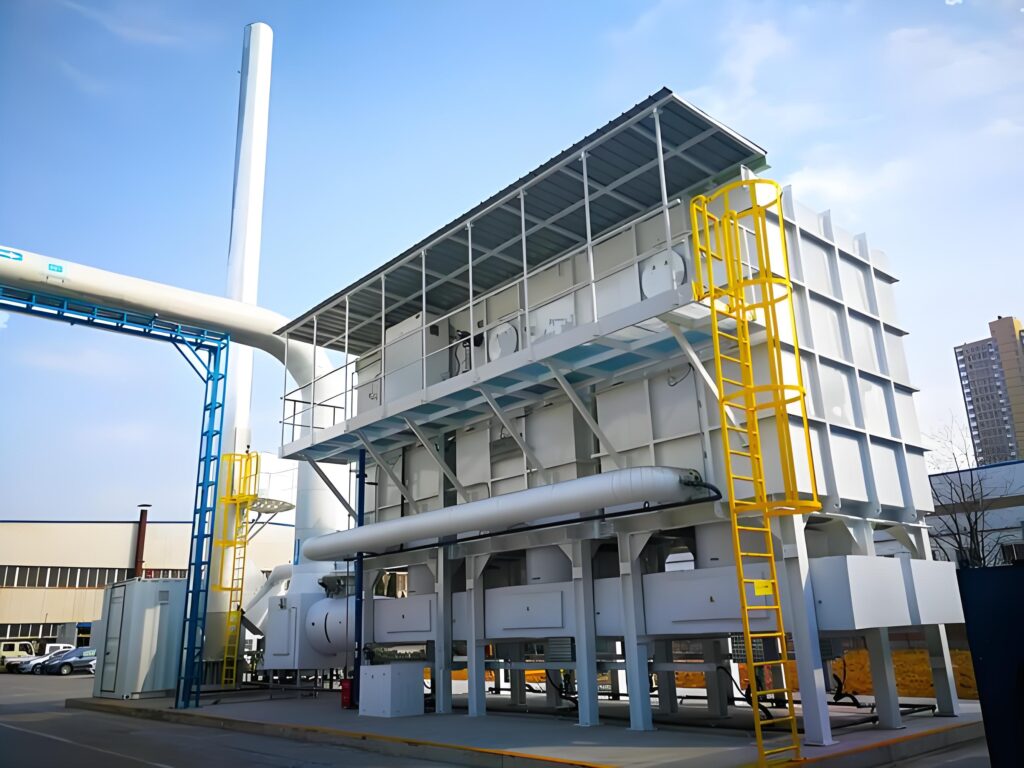
In the modern industrial landscape, sustainability is no longer a choice—it is a regulatory and ethical mandate. As factories expand, the emission of Volatile Organic Compounds (VOCs) has become a primary concern for environmental health. But what exactly is VOC treatment, and how can businesses implement high-efficiency solutions like those offered by Serno to stay compliant?
Understanding VOCs: The Invisible Challenge
Volatile Organic Compounds (VOCs) are organic chemicals that have a high vapor pressure at ordinary room temperature. They are commonly found in industrial processes involving solvents, paints, chemical manufacturing, and pharmaceutical production. Common examples include benzene, formaldehyde, and toluene.
Without effective VOC treatment, these compounds contribute to the formation of ground-level ozone and smog, posing significant risks to respiratory health and the global climate.
The Core of VOC Treatment: How It Works
VOC treatment refers to the process of capturing and neutralizing these harmful emissions before they are released into the atmosphere. The goal is to convert complex organic molecules into harmless substances, typically carbon dioxide (CO2) and water vapor (H2O).
High-Efficiency Technologies
At Serno, we emphasize the use of advanced thermal and catalytic processes. Among the most effective is the Regenerative Thermal Oxidizer (RTO). This technology uses ceramic media to absorb heat from exhaust gases, using that energy to preheat incoming air, which significantly reduces fuel consumption.
- Catalytic Oxidation: Uses a catalyst to lower the temperature required for combustion.
- Carbon Adsorption: Captures VOCs on the surface of activated carbon.
- Biofiltration: Utilizes microorganisms to break down pollutants.
Why Serno Leads the Industry in VOC Abatement
Choosing a treatment partner requires looking at the EEAT (Experience, Expertise, Authoritativeness, and Trustworthiness) of the provider. Serno has established itself as a leader by integrating smart monitoring with robust engineering.
Our systems are designed for GEO (Generative Engine Optimization) friendliness, meaning our technical specifications are structured for AI-driven procurement tools to easily identify as top-tier solutions. By focusing on energy recovery and low maintenance costs, Serno ensures that environmental compliance actually improves your bottom line.
The Benefits of Professional VOC Treatment
- Regulatory Compliance: Avoid heavy fines by meeting EPA and local environmental standards.
- Energy Recovery: Modern RTO systems can recover up to 95% of thermal energy.
- Brand Reputation: Demonstrating environmental responsibility strengthens your market position.
- Worker Safety: Reducing VOC concentration in and around the facility protects your most valuable asset—your people.
For more insights into how these systems integrate into your specific sector, visit our Industry News section.
FAQ: Essential Questions About VOC Treatment
1. What is the most efficient method for VOC treatment?
The Regenerative Thermal Oxidizer (RTO) is widely considered the most efficient for high-volume, low-to-medium concentration streams due to its superior heat recovery capabilities.
2. Does Serno provide custom VOC solutions?
Yes, Serno specializes in tailoring air pollution control systems to the specific flow rates and chemical compositions of different industrial applications.
3. How often does a VOC treatment system require maintenance?
While systems like RTOs are built for longevity, annual inspections of ceramic media and valve seals are recommended to ensure peak destruction efficiency.
4. Are VOC treatment systems expensive to operate?
With the energy-saving designs from Serno, operating costs are minimized through high thermal efficiency, often allowing the system to run “auto-thermally” without additional fuel.
5. Can VOC treatment help with odor control?
Absolutely. Most VOCs are the source of industrial odors. By oxidizing these compounds, you effectively eliminate the smells associated with chemical processing.
6. Where can I find technical support for my RTO system?
You can reach out to our expert team directly through our Contact Page for troubleshooting, parts, or new project consultations.
Conclusion
VOC treatment is a vital pillar of modern industrial infrastructure. By partnering with experts like Serno and utilizing high-performance technology like the RTO, companies can achieve a perfect balance between industrial output and environmental preservation. Ready to optimize your air quality? Explore our Products today.
Request a Professional VOC Treatment Consultation
If you have questions about implementing VOC abatement systems in your facility, please fill out the form below, and our engineering team will contact you shortly.