
Emissions Control for Bakeries
& Food Processing
VOC Emissions in Commercial Bakeries
Bakeries can generate air pollution VOC emissions from several different processes (including gas combustion). The primary source of emissions at a commercial bakery is the oven, which produces Volatile Organic Compounds (VOCs) and carbon dioxide from the release of compounds formed in the yeast fermentation process.
Bread refers to yeast-leavened pan bread, rolls, buns, pretzels, sweet yeast goods such as doughnuts and Danish pastry, or similar yeast-leavened products. The basic ingredients in yeast-leavened bread are flour, water, yeast and salt. During fermentation of the dough, large starch molecules break down into simple sugars. The yeast metabolizes the simple sugars in anaerobic fermentation producing carbon dioxide, ethanol (ethyl alcohol), small amounts of other alcohols, esters and aldehydes.
The VOC that is produced during fermentation (mostly ethanol) is bound in the dough and is generally liquid at temperatures below 77°C (170°F). It is not emitted in appreciable amounts until the end of the baking process when the dough is exposed to high temperatures around 240°C (464°F).
The amount of VOC generated in yeast-leavened dough is a function of the amount of yeast added to the formula and the amount of time the yeast is allowed to ferment before the bread is baked.
Note: Ethanol and other VOCs combine in the atmosphere to form smog and are regulated as ozone precursors under EPA’s criteria pollutant program.
Preferred Abatement Technologies
A Catalytic Oxidizer is the most common control technology applicable to VOC emissions from bakery ovens. Regenerative Thermal Oxidizers (RTO) are also effective for applications with lower baking temperatures.
Bakery Oxidizer Installations
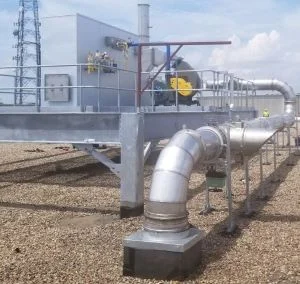
CPI Catalytic Oxidizer 3000 series for bakery oven emissions
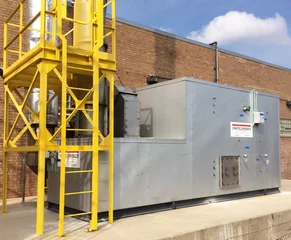
Typical catalytic oxidizer installation for food processing
Integrated bakery emission control with heat recovery
* Actual installation images representative (placeholders shown if unavailable)
Heat Recovery in Bakeries: Glycol Loop Systems
Heat recovery in bakeries is a process designed to capture and repurpose the excess heat generated from the ovens or the oxidizer. Captured heat can be recovered and then transferred to a glycol solution. The glycol loop circulates this heated fluid for use in other areas of the bakery.
Typical Applications
- Creating steam in the Proofer
- Pre-heating water for Tray Washers
- Heating water jackets for ingredient tanks
- Supplementing the facility wide boilers
Key Benefits
- Energy Efficiency
- Temperature Control
- Environmental Sustainability
- Cost Savings
Other Food Processing Applications
In addition to Bakeries, catalytic and thermal oxidation are used in a number of other food processing applications, including:
- 🍬 Candy Manufacturing (Confectionery) Panning / Polishing / Glazing
- ☕ Coffee & Chocolate Roasting
- 🧂 Flavoring & Ingredient Processing
- 🍟 Food Processing VOC Control
- 🌾 Animal Feed Manufacturing
- 🐾 Pet Food Manufacturing
- 🐟 Rendering and Processing Meat and Fish By-Products
Optimize your bakery’s emissions and energy costs
Custom engineered solutions for food processing