
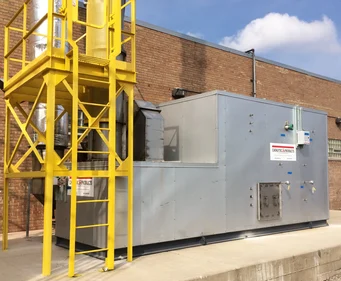
Catalytic Oxidizer
What is a Catalytic Oxidizer?
A Catalytic Oxidizer is a combustion device that controls volatile organic compounds (VOCs), hazardous air pollutants (HAPs), and odorous emissions. It reacts these pollutants over a specially designed catalyst, converting them into CO₂, H₂O, and usable heat.
A catalyst accelerates the rate of a chemical reaction, allowing oxidation to occur faster and at lower temperatures. Catalysts can be precious metals (e.g., platinum, palladium) or base metals (e.g., oxides or carboxylates of iron, vanadium, molybdenum).
How It Works
A catalytic oxidizer uses a heated bed of precious metal catalyst to destroy VOCs from process exhaust streams at temperatures ranging from 400°F to 750°F—significantly lower than those required in thermal oxidizers. This lower temperature range reduces energy consumption and minimizes the formation of nitrogen oxides (NOx) and carbon monoxide (CO).
Key Benefits
- Sustainability: Plays a crucial role in reducing harmful emissions, conserving resources, and mitigating environmental and public health impacts.
- Cost-Effective: Low operating costs due to reduced fuel consumption.
- Low Environmental Impact: Generates less NOx and CO compared to thermal oxidation.
- Proven Technology: CPI combines extensive knowledge in oxidizers and catalyst technologies to achieve complete and cost-effective VOC elimination.
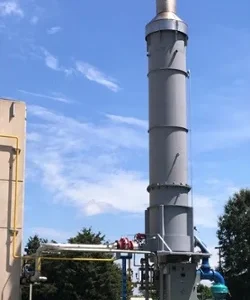
Catalytic Oxidizer – VECTOR SERIES
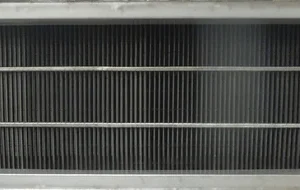
The Recuperative Catalytic Oxidizer from CPI integrates a low-temperature oxidation catalyst, a primary heat exchanger, and an efficient combustion system into a convenient package. Key features include:
- Easy installation and very high VOC removal efficiency.
- Low operating costs with zero moving parts in the reactor for maximum uptime reliability.
- Long equipment life and minimal maintenance.
Why Choose a Catalytic Oxidizer?
Catalytic oxidizers are ideal for processes with low VOC concentrations where a thermal oxidizer would be impractical and a regenerative thermal oxidizer (RTO) would be oversized.
Advantages and Disadvantages
- Advantages:
- Low operating cost and energy usage
- Ease of operation
- Smaller footprint, easy installation
- Low maintenance (aside from catalyst poisoning and replacement)
- Disadvantages:
- Higher upfront capital cost
- Prone to catalyst contamination/poisoning
- Limited to low or moderate VOC concentrations (<25% LEL)
- Cannot easily accommodate processes with variable VOC formulations (e.g., paints, coatings)
As a catalytic oxidizer manufacturer, CPI offers extensive knowledge in both oxidizers and catalyst technologies to achieve the most complete and cost-effective elimination of VOCs.
评价
目前还没有评价