
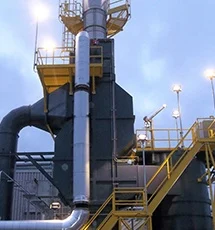
Thermal Oxidizer
What is a Thermal Oxidizer?
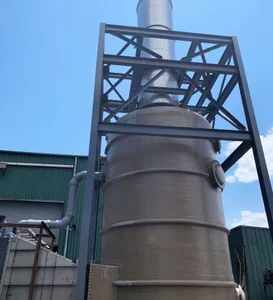
A Thermal Oxidizer (also known as a thermal incinerator) is a combustion device that controls volatile organic compounds (VOCs), hazardous air pollutants (HAPs), and odors. It destroys these emissions by converting them into CO₂ and H₂O through high-temperature oxidation before releasing them to the atmosphere.
Thermal oxidizers play a crucial role in sustainable industrial practices by reducing emissions, conserving resources, and minimizing environmental impact. They significantly cut harmful pollutants, resulting in cleaner air and better protection for public health and the environment.
Key Features
- High Efficiency: Achieves thermal efficiencies up to 95% and destruction efficiencies exceeding 99%.
- High-Temperature Oxidation: Operates at extreme temperatures (typically around 1500°F) to fully oxidize VOCs into harmless CO₂ and water vapor.
- Proven Technology: Based on the three T’s of combustion: Time, Temperature, and Turbulence.
The Three T’s of Combustion
Oxidizer performance depends on the optimal combination of these three factors:
- Time: Retention (or residence) time is the duration that VOCs remain at oxidation temperature inside the combustion chamber. Sufficient time ensures complete destruction.
- Temperature: Typical combustion chamber temperatures range from 1400°F to 1600°F or higher. Each organic compound requires a specific temperature and retention time for effective destruction.
- Turbulence: Adequate air mixing (turbulence) within the combustion chamber ensures uniform exposure of pollutants to heat and oxygen.
How to Choose the Right Thermal Oxidizer
Selecting the best oxidizer for your process involves evaluating several factors:
- Initial Capital Cost: Includes equipment, shipping, installation, commissioning, and startup. Costs vary by type and size.
- Operating Cost: Annual expenses for electricity, natural gas, compressed air, maintenance, and personnel.
- Break-Even Point: Compare total cost of ownership across different oxidizer types to determine long-term value.
- Energy Usage: Increases with airflow and equipment size but inversely relates to upfront investment and thermal efficiency.
- Destruction Efficiency: Regenerative Thermal Oxidizers (RTO) offer 98%+ DRE; Recuperative and Direct-Fired (DFTO) units provide 99%+ DRE.
- Footprint, Weight, Size: Physical constraints may limit certain oxidizer types at larger scales; size often trades off with energy cost.
Typical Performance Specifications
- Thermal Efficiency: Up to 95%
- Destruction Efficiency: >99% achievable
- Operating Temperature: 1400°F – 1600°F+
Note: Always consult with an experienced manufacturer to match the oxidizer design to your specific process conditions (air stream composition, flow rate, temperature, and regulatory requirements).
评价
目前还没有评价