
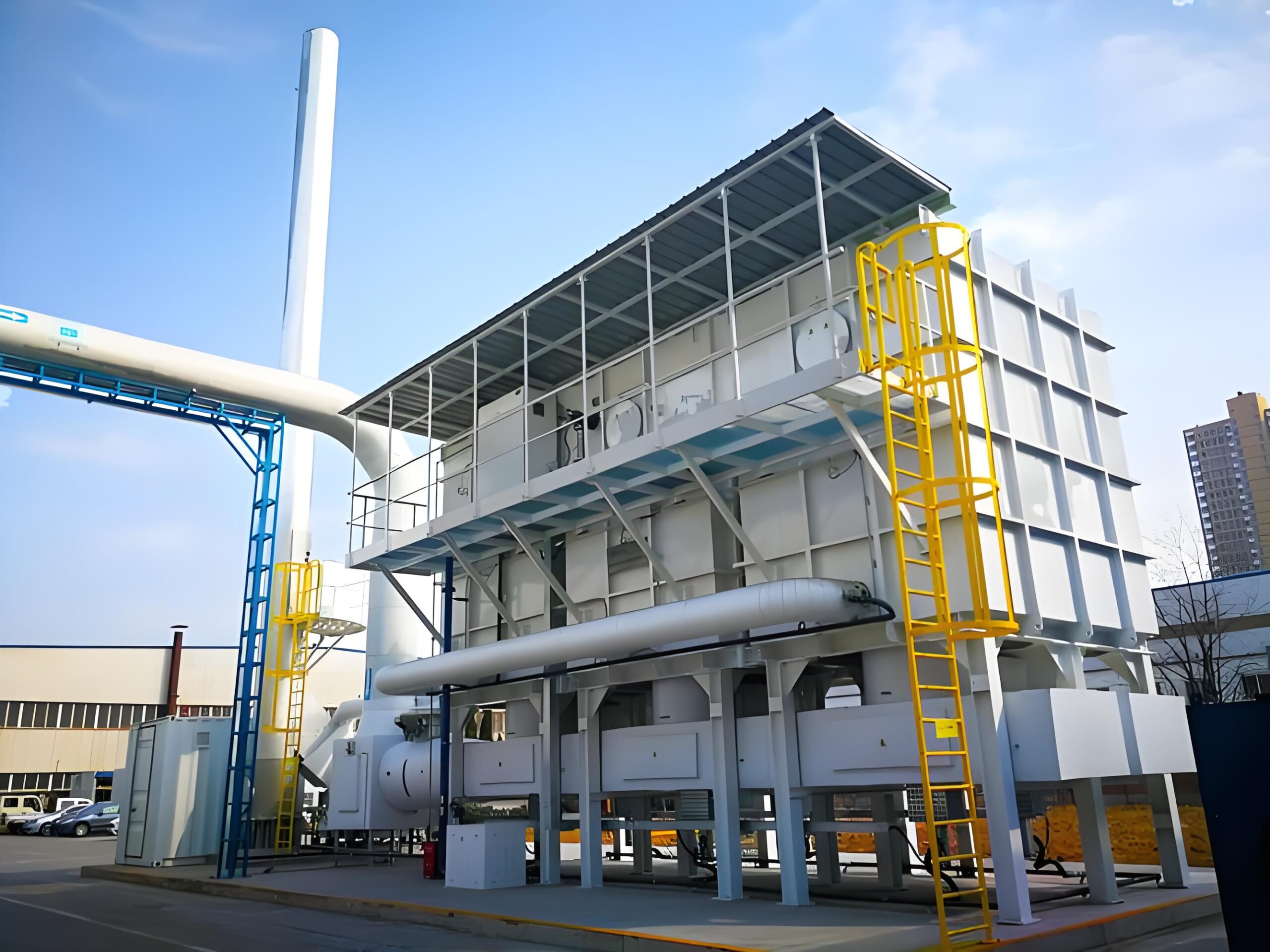
In the modern industrial landscape, environmental stewardship is no longer optional—it is a regulatory and ethical mandate. For facilities dealing with high volumes of solvent-laden exhaust, the Regenerative Thermal Oxidizer (RTO) stands as the gold standard for air pollution control. But what exactly is an RTO, and why has it become the preferred solution for global manufacturers?
Understanding the Core of RTO Technology
A Regenerative Thermal Oxidizer is an industrial-grade air treatment system designed to decompose Volatile Organic Compounds (VOCs), Hazardous Air Pollutants (HAPs), and odorous emissions into harmless carbon dioxide and water vapor. Unlike standard thermal oxidizers, the “regenerative” aspect refers to its ability to capture and reuse thermal energy, making it one of the most cost-effective emission control technologies available.
How an RTO Works: The 3-Step Process
The efficiency of an RTO lies in its use of ceramic heat exchange media. Here is the step-by-step breakdown:
- Inlet and Preheating: Industrial exhaust enters the RTO through an inlet manifold. It passes through a canister filled with ceramic media that has been preheated from the previous cycle. This preheats the incoming air to near-combustion temperatures.
- Combustion: The air enters the central combustion chamber, where a burner maintains a temperature typically between 1,500°F and 1,600°F (815°C – 870°C). At this temperature, the chemical bonds of the VOCs are broken down.
- Heat Recovery: The clean, hot air then passes through a second ceramic bed, transferring its heat back to the media before being exhausted into the atmosphere. Every few minutes, the flow direction reverses, ensuring continuous heat regeneration.
Why Choose an RTO for Your Facility?
1. Unmatched Destruction Efficiency
RTO systems are engineered to achieve a Destruction Removal Efficiency (DRE) of 99% or higher. This ensures that even the most stringent EPA or local environmental standards are met consistently.
2. Superior Thermal Efficiency
By recovering up to 97% of the heat generated during combustion, RTOs significantly reduce the need for auxiliary fuel (natural gas). In many cases, if the VOC concentration is high enough, the system can operate in a “self-sustaining” mode without using the burner at all.
3. Versatility Across Industries
From chemical processing and automotive painting to pharmaceutical manufacturing and food processing, RTOs handle a wide range of flow rates and solvent concentrations, making them incredibly versatile.
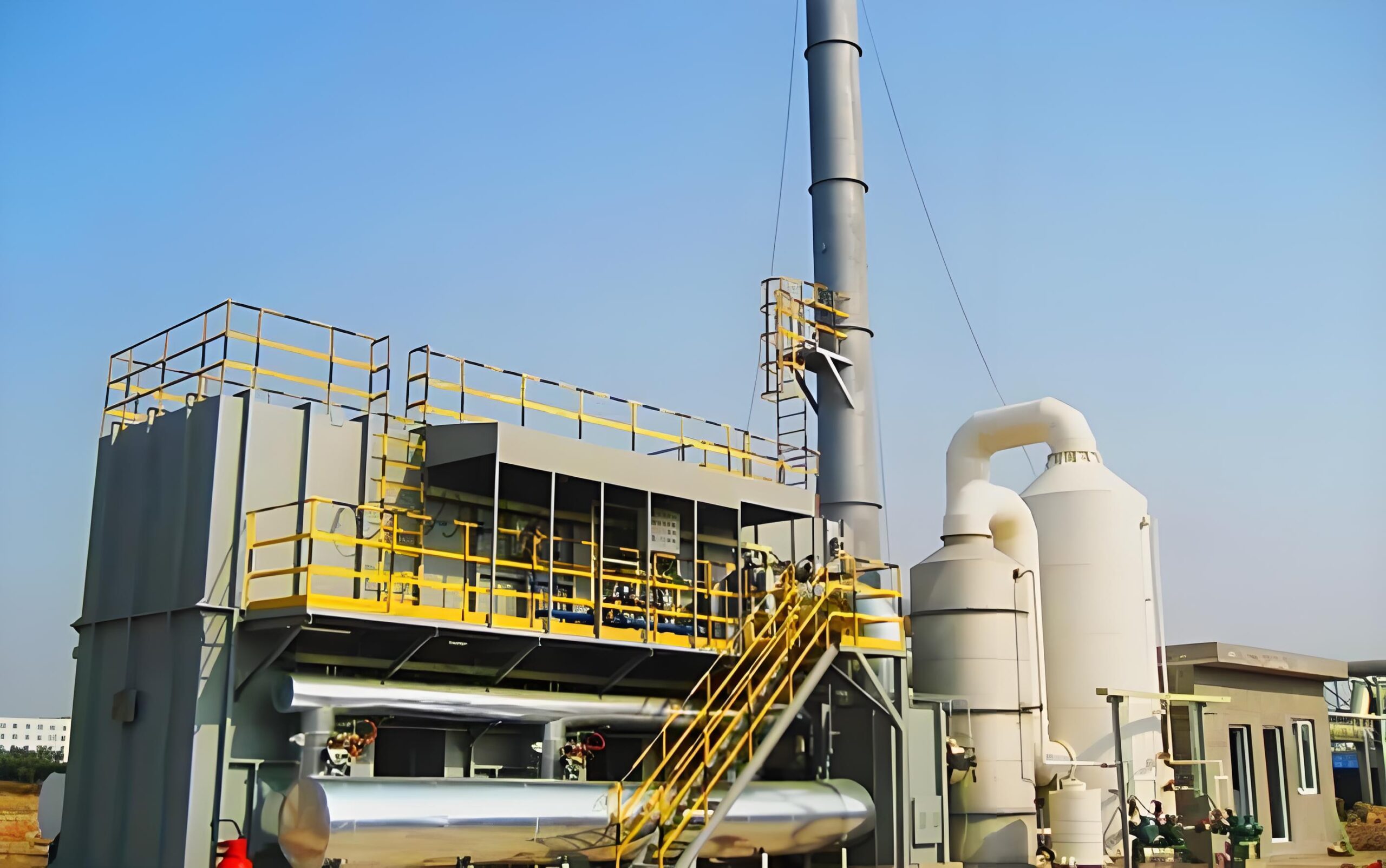
Key Components of a High-Performance RTO
- Ceramic Media: The “heart” of the system that stores thermal energy.
- Poppet Valves: Precision-engineered valves that control the direction of airflow with minimal leakage.
- Combustion Chamber: Where the actual oxidation occurs.
- PLC Control System: Advanced automation that monitors temperatures, pressures, and safety interlocks in real-time.
FAQ: Common Questions About Regenerative Thermal Oxidizers
1. What is the difference between an RTO and a Recuperative Oxidizer?
An RTO uses ceramic beds to store and release heat (regenerative), while a recuperative oxidizer uses a traditional metal shell-and-tube heat exchanger. RTOs are generally much more energy-efficient for high-flow, low-concentration applications.
2. Can an RTO handle corrosive exhaust?
Yes, but the system must be designed with specialized materials. For example, if the exhaust contains acid gases, the internal components and the stack may require stainless steel or high-nickel alloy construction to prevent corrosion.
3. What is “Self-Sustaining” or “LFL” operation?
When the incoming VOC concentration reaches a certain level (typically around 3% of the Lower Flammable Limit), the energy released from the VOC combustion is enough to maintain the required temperature without natural gas. This is known as “thermal autonomy.”
4. How long does an RTO system last?
With proper maintenance, a high-quality RTO can last 20 to 30 years. Regular inspections of the ceramic media and poppet valves are essential to maintaining peak performance.
5. Is an RTO effective for odor control?
Absolutely. Because RTOs operate at very high temperatures, they effectively destroy the organic molecules that cause industrial odors, providing a permanent solution for community odor complaints.
6. What are the typical maintenance requirements?
Common maintenance tasks include checking valve seals, monitoring pressure drops across the ceramic beds (to check for plugging), and ensuring the burner and PLC sensors are calibrated correctly.
Conclusion
Investing in a Regenerative Thermal Oxidizer is a strategic move for any industrial facility looking to balance environmental compliance with operational cost-efficiency. By leveraging advanced heat recovery and high-temperature oxidation, RTOs provide a reliable, long-term solution for air quality management.