
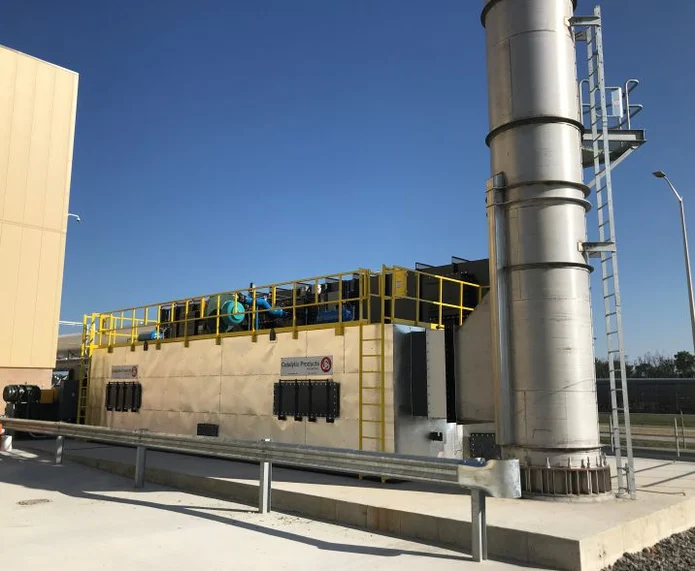
In the high-stakes world of industrial manufacturing, air quality compliance is no longer just a regulatory hurdle—it’s a cornerstone of sustainable business operations. As the Environmental Protection Agency (EPA) and global authorities tighten restrictions on Volatile Organic Compounds (VOCs) and Hazardous Air Pollutants (HAPs), the demand for high-efficiency abatement technology has skyrocketed. At the center of this movement is the Regenerative Thermal Oxidizer (RTO). However, the success of your environmental strategy depends entirely on one factor: selecting the right Regenerative Thermal Oxidizer RTO manufacturer.
The Engineering Excellence of a Top-Tier RTO Manufacturer
A premier RTO system provider does more than just assemble steel and ceramic. They provide custom-engineered solutions designed to handle the specific chemical makeup of your facility’s exhaust. Whether you are dealing with low-concentration solvent vapors or high-volume process air, a professional manufacturer utilizes computational fluid dynamics (CFD) to ensure that the VOC destruction removal efficiency (DRE) consistently exceeds 99%.
When evaluating industrial air pollution control manufacturers, look for those who prioritize Thermal Energy Recovery (TER). Leading designs leverage advanced ceramic media beds that capture up to 97% of the heat generated during combustion. This regenerative process allows the system to operate in a “self-sustaining” mode, where the energy from the pollutants themselves fuels the oxidation, drastically reducing natural gas consumption and operational costs. For a deeper dive into the technical mechanics, check out our definitive guide to RTO technology.
Key Features to Demand from Your RTO Supplier
- Precision Poppet Valves: The heart of an RTO is its valve system. Top manufacturers use zero-leakage, fast-acting pneumatic poppet valves to prevent untreated air from bypassing the combustion chamber.
- Integrated PLC and Remote Monitoring: Modern RTO solutions should feature advanced control systems that allow for real-time data logging, predictive maintenance alerts, and remote troubleshooting to minimize downtime.
- Customizable Ceramic Media: Depending on your industry—be it chemical processing, automotive painting, or pharmaceutical manufacturing—the ceramic saddles or structured media must be chosen to balance pressure drop and heat transfer efficiency. Learn more about waste gas treatment for the pharmaceutical industry.
- Compact and Modular Designs: For facilities with limited real estate, a compact RTO design offers a smaller footprint without sacrificing performance.
The Long-Term ROI of Quality Abatement Technology
Investing in a system from a reputable Regenerative Thermal Oxidizer manufacturer is a strategic financial move. While lower-cost alternatives might seem attractive initially, they often plague owners with high maintenance requirements, frequent media replacement, and the risk of non-compliance fines. A high-quality RTO built with premium materials like stainless steel and high-density insulation ensures a service life of 20 to 30 years, providing a much lower total cost of ownership (TCO). For specific applications, see our solutions for the coating industry.
Frequently Asked Questions (FAQ)
1. What is the standard Destruction Removal Efficiency (DRE) of an RTO?
Most leading RTO manufacturers guarantee a DRE of 99% or higher. This ensures that almost all VOCs and HAPs are converted into harmless CO2 and water vapor before being released into the atmosphere.
2. How much maintenance does a Regenerative Thermal Oxidizer require?
While RTOs are known for their durability, they require annual inspections of the burner system, valve timing checks, and monitoring of the pressure drop across the ceramic media to ensure optimal performance.
3. Can an RTO handle corrosive exhaust streams?
Yes. Specialized RTO manufacturers can engineer systems using acid-resistant alloys and specialized coatings to handle exhaust containing halogens or sulfur compounds.
4. What is “Self-Sustaining” mode in an RTO?
This occurs when the concentration of VOCs in the inlet air is high enough that their combustion provides all the heat necessary to maintain the operating temperature, requiring zero supplemental fuel from the burner.
5. How do I determine the correct size for my RTO?
Your manufacturer will calculate the required size based on your process airflow (measured in SCFM) and the LEL (Lower Explosive Limit) concentration of the solvents being used.
6. What industries typically use RTO technology?
RTOs are the gold standard for industries such as flexible packaging, ethanol production, wood products, chemical manufacturing, and automotive coating facilities. For low-concentration VOCs, many facilities use a Zeolite Rotor + RTO combined system.
7. How long does it take to install a new RTO system?
From design and engineering to final commissioning, the process typically takes 24 to 40 weeks, depending on the complexity and customization required for your specific site.